Press coverage

RBI repo rate news HIGHLIGHTS: RBI raises GDP growth forecast to 7.1 per cent for FY27
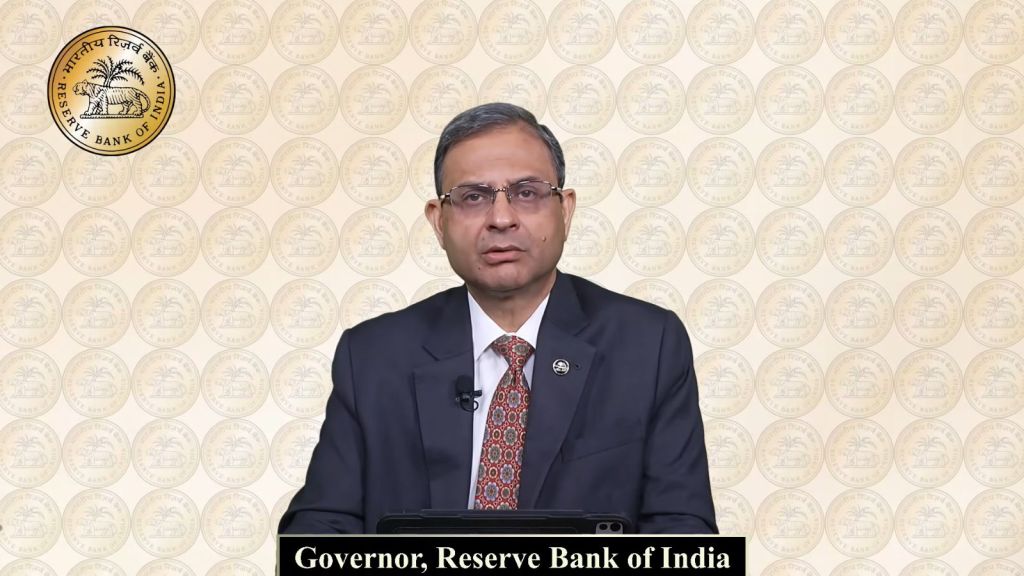
RBI Governor Sanjay Malhotra has announced that the MPC had voted to increase the repo rate to 5.5%, a hike of 25 basis points amid West Asia tensions and inflation concerns.
RBI Repo Rate News: The Reserve Bank of India’s Monetary Policy Committee (MPC) kicked off its three-day bi-monthly review meeting in Mumbai on October 5. RBI Governor Sanjay Malhotra has announced that the RBI will hike the interest rate by 25 basis points and change stance to ‘tightening’ amid rising global energy supply concerns and inflation. This is likely to translate into hiked EMIs for retail consumers.
Financial markets were bracing for the hike in interest rates amid mounting global and domestic headwinds. “A hike in the short-term lending rate (repo) by the RBI in its upcoming monetary policy would mark a stance reversal, following four rate cuts totalling 125 basis points in 2025 and a prolonged pause thereafter,” the agency reported. The last repo rate hike was in February 2023, when the RBI raised the rate by 25 basis points to 6.50 per cent.
Markets fall ahead of MPC decision, rise later
Equity benchmarks began Wednesday’s trading session on a weak note as investors remained cautious in anticipation of a rate hike. Sentiments remained cautious as investors sought clarity on the central bank’s review on economic growth and inflation. The BSE Sensex slipped 102.43 points, or 0.14 percent, to open at 72,965.38, while the Nifty 50 shed 85.65 points, or 0.38 percent, to start at 22,690.45.
Selling pressure intensified shortly after the bell across both benchmark indices.
However, soon after the repo rate announcement, markets marginally picked up.
Global instability, rising CPI big concerns
The central bank’s MPC review comes at a time when the economic policy faces fresh pressures from geopolitical instability and rising prices. Key drivers influencing the committee’s stance include geopolitical tensions, rising Consumer Price Index (CPI), and increasing domestic food price pressure, among other factors.
The prolonged conflict in West Asia and higher crude oil costs are stoking broader macroeconomic concerns with microeconomic consequences they are pinching the common man’s pocket every day. Moreover, concerns over persistent food inflation have kept retail price growth volatile.